Why Customers Reply to Texts Faster Than Emails
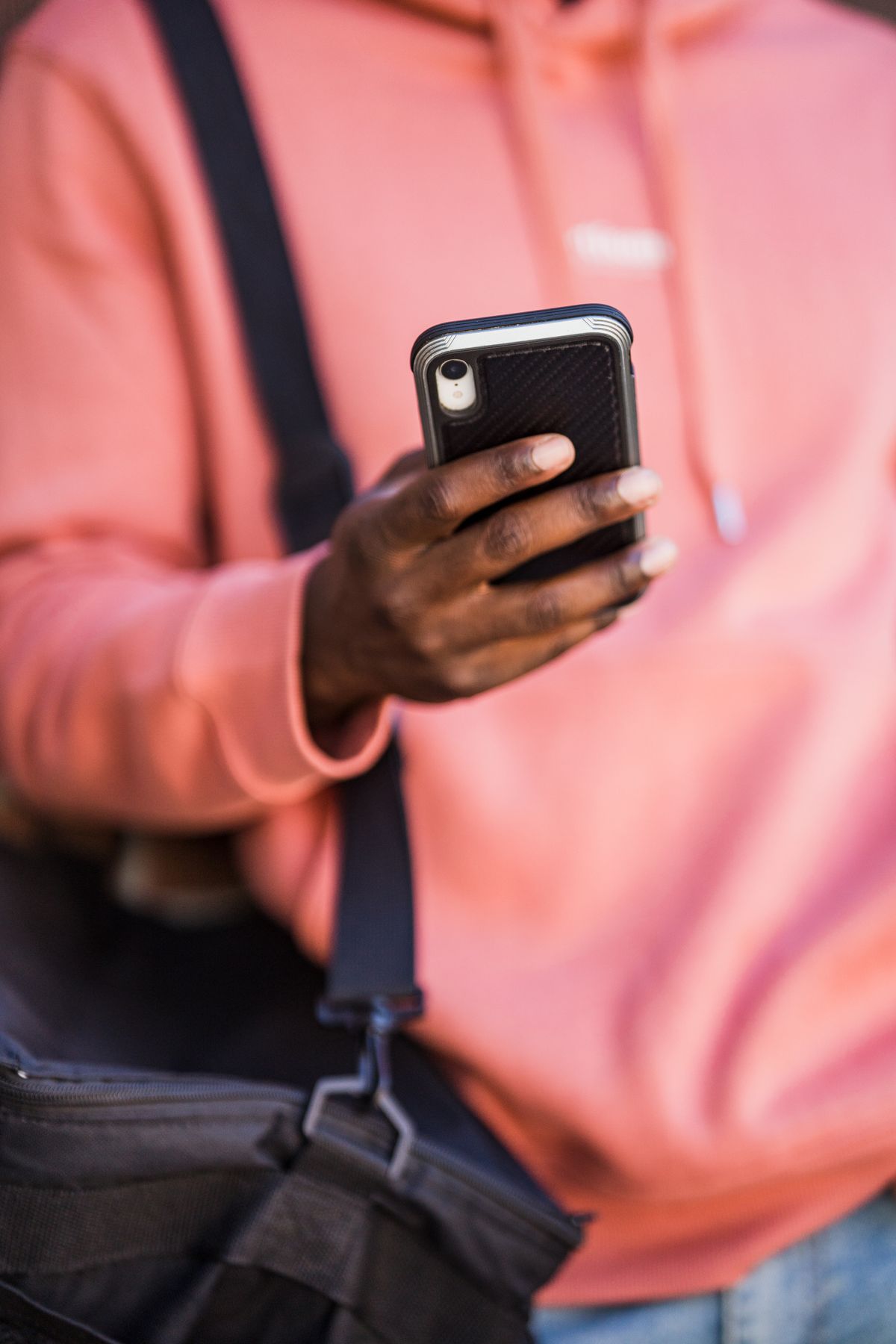
If you have ever sent an important email and watched it sit unopened for two days — then sent the same person a text and gotten an answer in four minutes — you already know the punchline. Customers reply to texts faster than emails, and it is not even close.
The first reason is placement. A text lands on the lock screen, next to messages from family and friends. An email lands in an inbox with hundreds of unread messages, newsletters, and receipts. One feels personal and immediate; the other feels like a to-do list.
The second reason is length. Texts are short by design, and short messages respect the reader's attention. A two-line text can be read and answered in ten seconds. An email — even a short one — asks the reader to open an app, scan a subject line, and decide it is worth their time. Most of the time, they decide to deal with it later. Later rarely comes.
The third reason is friction. Replying to a text takes one tap and a few words. Nobody worries about the perfect greeting or sign-off. That informality is a feature: it turns "I should respond to that business" into something done before the coffee cools.
How to earn that attention instead of abusing it
Fast replies are a privilege, not a right. A few habits keep your texts welcome: keep every message short with one clear ask; always say which business you are, so the number is never a mystery; send during reasonable hours; and make opting out as easy as replying STOP. Businesses that follow these basics get treated like contacts. Businesses that do not get blocked.
None of this means email is dead — receipts, contracts, and detailed information still belong there. But for anything time-sensitive or conversational — reminders, confirmations, quick questions, follow-ups — texting wins. Meet customers where they already answer.